
Say Hello to more lending options
Our Mortgage Broker Services

Guarantor Loans
A guarantor loan involves a third party — commonly a parent, sibling, or adult child — using the equity in their property as additional security to support your home loan application. For this to be possible, the guarantor must hold sufficient equity and meet the lender’s eligibility requirements. Some circumstances, such as relying primarily on a pension or Centrelink income, may mean a person isn’t suitable to act as a guarantor.
Bridging Loans
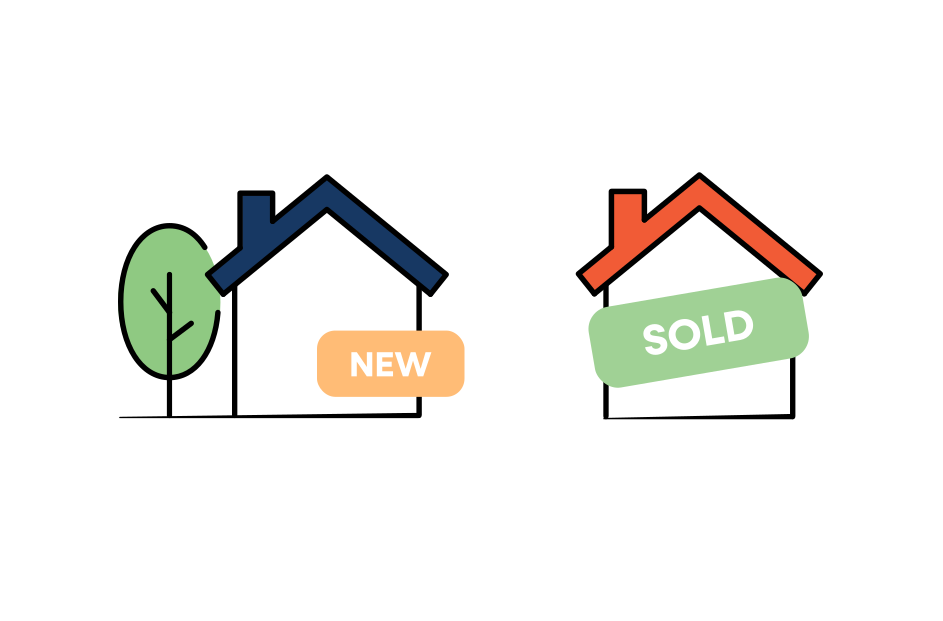
A bridging loan allows you to purchase a new property before selling your existing one by providing short-term finance secured against both properties. This type of loan is designed to “bridge” the gap between buying and selling, giving you more flexibility with timing and reducing the pressure to sell quickly. To qualify, lenders assess factors such as available equity, income, and the expected sale value of your current home.

Mortgage Loans For First Time Home Buyers
A first home buyer mortgage is designed to help people purchasing their first property navigate the lending process with clarity and confidence. These loans may offer access to lower deposit options, government incentives, or tailored loans depending on your circumstances. Lenders assess factors such as income, savings history, and ongoing expenses to determine eligibility. Get in contact for a free assessment.

Refinancing Home Loans
Refinancing a home loan involves reviewing your existing mortgage and switching to a new loan that may better suit your current circumstances. This could include accessing a more competitive interest rate, consolidating debt, changing loan features, or using available equity for future plans. Lenders assess factors such as income, expenses, loan balance, and property value to determine eligibility.

Releasing Equity In Your Home
Releasing equity in your home allows you to access the portion of your property’s value that you’ve already paid off, using it as security for a new loan. This equity can be used for a range of purposes, including purchasing another property, renovating, or consolidating debt. Eligibility depends on your current loan balance, property value, income, and the lender’s servicing criteria, and it’s important the structure suits your long-term goals.

Investment Property Loans
Investment home loans are designed for buyers looking to purchase residential property for rental income or long-term growth. Lenders assess investment loans differently to owner-occupied loans, considering factors such as rental income, existing debts, and overall portfolio risk. The right loan structure can make a significant difference to cash flow and borrowing capacity, particularly for investors planning to expand over time.

Self-Employed Home Loans
Self-employed home loans cater to business owners, contractors, and freelancers whose income doesn’t always fit standard PAYG lending models. Instead of payslips, lenders may assess financials such as tax returns, BAS statements, or accountant-prepared income summaries. While lending criteria can be more complex, there are suitable options available for self-employed borrowers with strong business performance and consistent income.

Home Loan Pre-Approval
Home loan pre-approval provides an upfront assessment of how much you may be able to borrow before you start property hunting. It involves a review of your income, expenses, credit history, and financial position, giving you a clearer understanding of your budget. While pre-approval isn’t a formal loan guarantee, it can strengthen your position when making offers and help you buy with greater confidence.